

Free Standing Pole Dancing Pole
A free standing pole dancing pole is a great way to practice in your own home. These poles are portable and easy to put up and remove.
An extension pole can be used to alter the height of your ceiling. For maximum safety and pole training, the ceiling should be between 7 4" and 9' feet in height.
Material
The material used in the production of poles for dancing free standing is a crucial element that can determine the quality and durability of the pole. It also plays a major part in the cost of the pole.
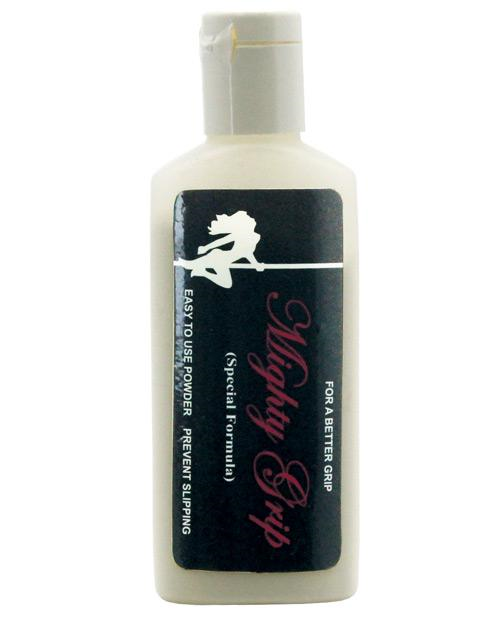
Chrome is a common coating for poles, and it's widely used in studios and competitions because of its superior finish. However, it can be susceptible to rust if it's not properly cared for, so it is recommended to stay clear of this coating if you have allergies to metals such as nickel or chrome.
Brass is a different material often used to make dance poles. It has a higher grip than chrome. It is also less susceptible to rust and could be a great choice for those who live in areas with warmer temperatures.
Stainless steel is another option for poles It's a strong material that isn't prone to breaking. It's also a little more expensive than chrome, however it comes with many benefits.
Powder-coated poles are a new type of material designed to be super-sticky making them ideal for pole dancers who find it difficult to hold different types of poles made of metal. These poles are a bit more expensive than other freestanding ones, but they're an excellent choice for those who suffer from grip issues or who are just beginning to learn about pole dancing.
These poles may not be suitable for all. They're not as slick as other materials and can be too grippy for certain movements (like spinning). They aren't easy to hold on to and this could be problematic if you're a beginner or trying to build muscles.
The X Pole brand has been for a long time and is a well-known maker of freestanding pole s. The poles X-Stage Light and the XStage Lite from X Pole are top-quality and include all the features that you'd want.
The pole stages come in two thicknesses: the X Stage Lite weighs half as much as the X Stage Standard. Both pole stages have the base frame which is 4 inches above the ground. They are 9 feet and 8 inches tall and have both static and spinnable modes. They are also easy to transport due to their convenient carry bag.
Height
Poles that dance free standing are popular with pole dancers looking for a portable option. They have a strong base and are securely attached to the floor making them simple to move around. They are available in various sizes and can be used indoors or outdoors.
Some free standing poles are built to work on ceilings up to 10ft, although they can be reduced by accessories for lower or smaller ceilings. This gives you a greater degree of flexibility however, it is important to check the specifications of the manufacturer before buying a pole that is too high for your home's ceilings.
A stage pole is a popular option. They are typically more expensive than freestanding options, but they are stable and are an excellent choice for those who have higher ceilings. They are available in different sizes and can be placed in rooms with high ceilings or in open spaces, like trade shows.
Most poles feature a locking mechanism that can be used to keep them in position when spinning. The locking mechanism isn't normally required for regular dancing, but can be an important feature in competitions where you need to stand still and spin. It also stops the bar from twisting and being damaged during routines.
A stage pole can be installed on a wall-to -wall carpet. However it is essential to tighten the installation in order to prevent the floor from being compressed and leaving a mark in the carpet. This can cause pain if you are dragging your foot across the floor. It is also an excellent idea to avoid floors with unfinished tile or cement as they are more vulnerable to be damaged by the pole.
Some people prefer to set up an adjustable bracket to support a single pole. pole dancing pole free standing offer more stability than friction-fit poles and are simpler to install. However they require drilling an anchor into the floor or ceiling. They can cause marks if you decide to remove it later. They also have limitations on the height the pole can be and might not be suitable for all studio environments.
Grip
The grip on pole dancer's hands are important because it affects the way they perform their dance moves. A grip that is secure for the dancer as well as allows them to move freely is best.
There's a wide range of grips on market today and it's up to you to select the one that best will meet your needs. Certain grips are easier to hold than others, so be sure you select the appropriate one for your needs.
The best grip for a dancer is one that is easy to maintain and holds up to wear and tear. A good grip will allow you to do more difficult moves without getting injured.
There are a variety of different finishes available for dance poles. Each offers a different level grip. The most popular finish is chrome, which provides an attractive appearance and gives a great grip. A titanium-gold coating is a well-known alternative however it is more difficult to locate and adds additional cost.
Silicone is another popular finish on poles. It gives the perfect grip and is resistant to scratches. It's also a great choice for those who are allergic to metal since it is easy to clean with water and soap.
Powder-coated is a brand new kind of finish that has just been introduced to the market. This finish is colored paint that is sprayed on top of a chrome pole, making it much more grippy than a regular chrome pole.
The greatest benefit of this kind of finish is that it doesn't come with an unpleasant greasy feel like chrome does, so it doesn't cause dancers to slip or lose grip as easily. This finish is a little more expensive than other options on the market however it's worth it for those who want an extremely-sticky pole. It's important that you know that powder-coated poles aren't as durable as stainless steel poles, and so they require care for more carefully. It is recommended to clean them by using soap and water every day and avoid using any harsh chemicals.
Safety
Pole dancing requires you to lift your body weight and overcome gravity. It's heavily dependent on your grip, therefore it's crucial to adhere to safety guidelines to avoid injury.
The first thing you should do is to determine if your home has a sturdy ceiling structure and joists that are stable enough to support a pole dance pole without breaking it. A tension pole is more suitable than a free-standing one when your ceiling isn't sturdy enough. These poles aren't movable, but they don't require any changes to the ceiling.
These poles are used primarily in commercial establishments such as nightclubs and performance venues. They are typically made of stainless steel and are coated with chrome coatings to give them a greater grip. They are also not sensitive, which means they can be stored in a dry environment without rusting.
They also have an option of a static or spinning pole which can be switched between modes with the simple click of the button. Some poles are portable and can be installed quickly and easily which is ideal for students and teachers.
Another option is to purchase a pole that's powder coated to make cleaning easier. However, they can be more expensive than stainless steel poles, so ensure you're buying a quality product that will last.
Visit your local store to find mats for your pole that are crash-proof. These mats will absorb shock if you slip or fall when performing a complex move on the pole.
Apart from preventing injury In addition, they are an enjoyable way to add some colour and personality to your home! A crash pad is a must if you're going to be using a free standing pole as it will keep you safe during practice sessions and will protect your floors from being damaged. Before beginning the pole exercise, it is important to properly warm up. There is a chance of developing muscle soreness which could result in an unproductive exercise.